
May 19, 2025
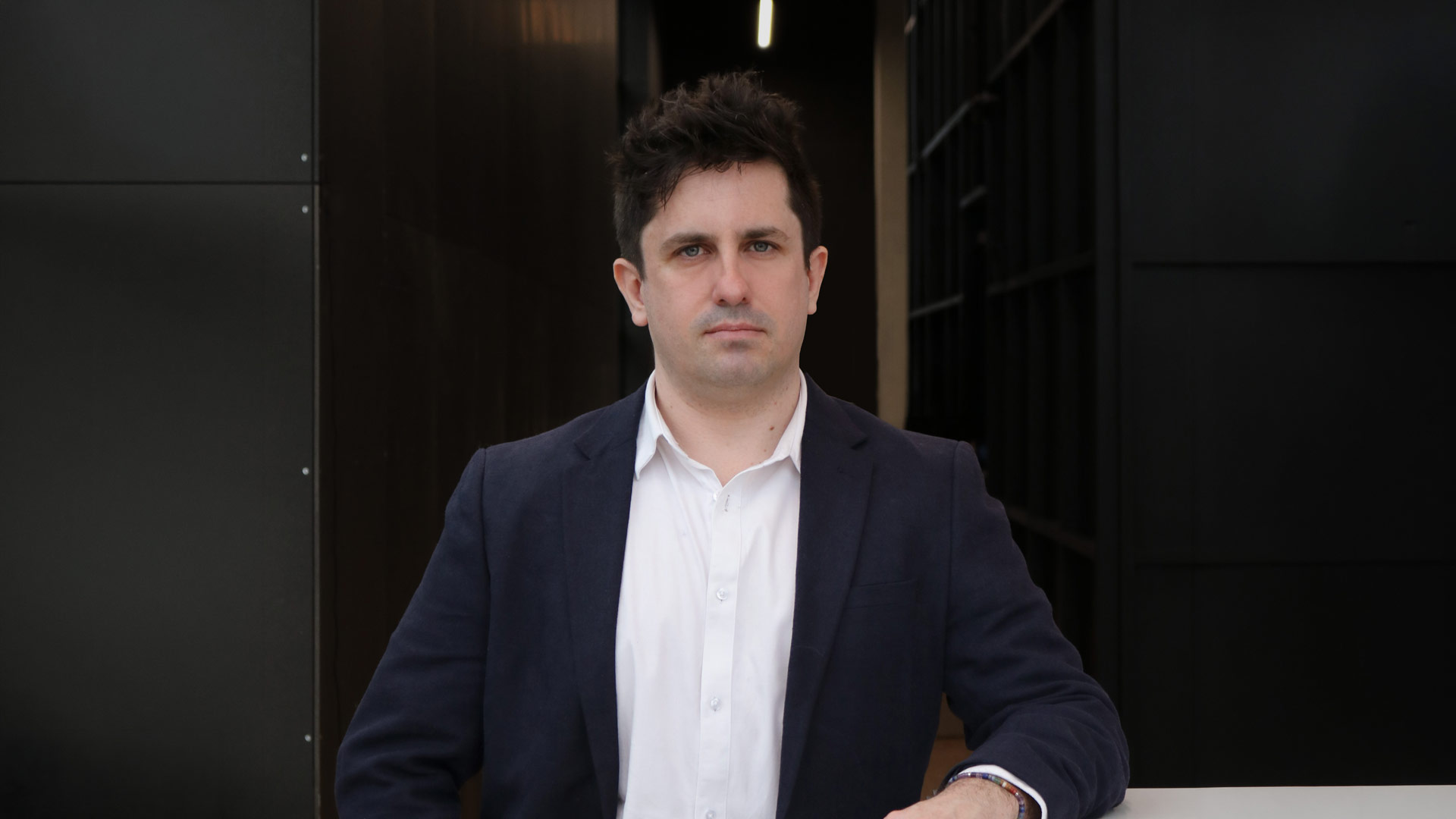
Team Spotlight: Raquel Meireles, Head of Landscape Design
5th November
2026
Could you tell us about your background and role at Kettle Collective?
I’m originally from Australia with more than 13 years experience across the public and private sectors, my skills are inclusive of community consultation, master and strategic planning, guideline development to place making.
My role at Kettle Collective is varied, from designing, to problem solving across teams, coordinating designs, liaising with clients and projects.
I was one of the first hires in the London office. It’s been great to see the studio grow. We now have a talented, creative and intelligent team, and it’s encouraging to see more people contributing to the studio’s development and helping it establish its own identity.

What does good urban design mean to you, and what makes a place somewhere people want to live?
Great urban design is about providing choice. You want to create a place that’s well connected and well served, where people can go about their day-to-day lives without relying on a car.
I like to design in a way to give people options. Can they walk to the doctors or the post office? Can they take the train, cycle or drive if they need to? Are they close to a park?
I’m a big advocate for 20-minute cities, where every day needs are within a reasonable distance. Living in London has reinforced why that matters: a good network creates an environment that works for everyone.
How can thoughtful urban design help create more connected and inclusive communities?
For me, it starts with asking the right questions and setting the right design principles. Is this somewhere you would want to live? Would it suit your family needs, or the children and the elderly? Does a street have to be only for cars, or could it be for people? What is it like in winter or summer?
It’s about getting the basics right and putting yourself in the end user’s position.
Sustainability is increasingly central to how we plan our cities. How can it be embedded from the outset?
Sustainability is fundamental to urban design, not just a checklist. Good urban design principles naturally support it, and it doesn’t necessarily have to be pricey. For example, locating shops within walking distance of homes and planning effective bus routes can reduce car use and the need for road infrastructure.
At Kettle, we build sustainability into our methodology from the outset. At Madinat Al Irfan Convention District, the central souq’s pedestrian route was designed around the local climate, incorporating shade and wind protection.
How do you adapt your approach to different places and contexts?
I make an effort to understand the clientele of the project before I start designing. At Kettle, our process begins with the Dream phase, which involves researching the project, client, the people who will use the place and the wider context. In some ways you could say I begin with the end in mind.
Looking ahead, what do you think is the biggest opportunity to make our cities better places to live over the next decade?
Planning for flexibility as we are living in a changing world right now.
The challenge is to create somewhere people want to be for the long term, while allowing it to evolve organically.
What advice would you give to someone starting a career in urban design?
Ask questions and pay attention to your surroundings. Notice how people move through spaces, ask why they like or dislike a space, and learn about the different disciplines involved in the development industry, from landscape architecture and engineering to economics and client requirements.
Travel as much as you can, absorb cultures and try to understand what makes each place special. You can bring those observations into your projects and develop a deeper appreciation of urban design over time.
