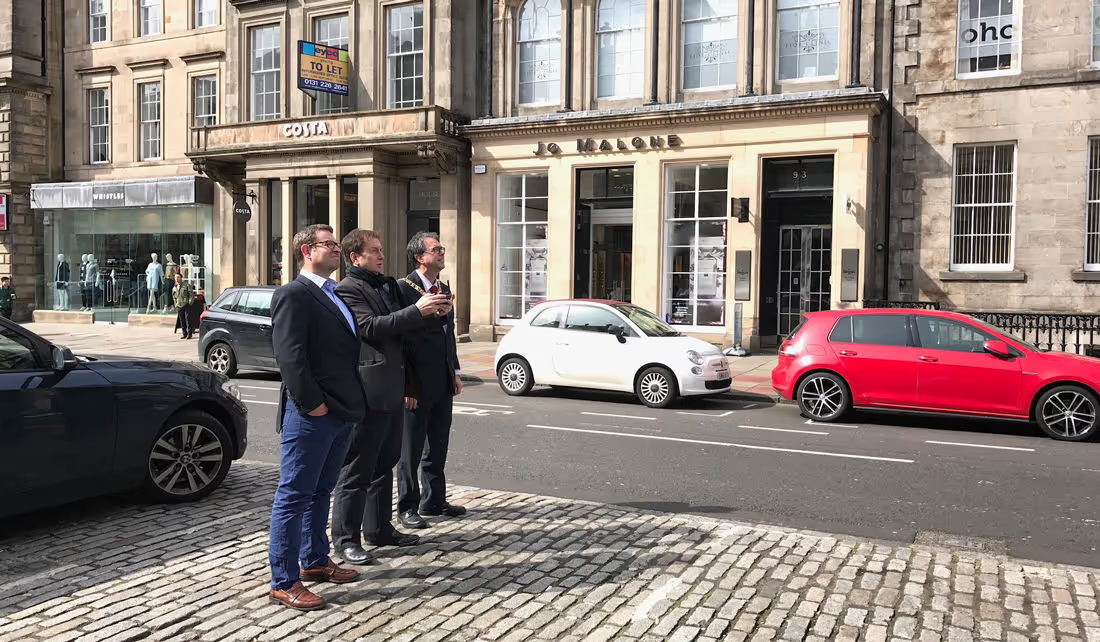
April 20, 2017
Lord Provost Visit To Our Edinburgh Studio
12th June
2026
1. What brought you to Kettle Collective, and what were you doing before?
I’d worked with Tony previously and always admired the vision he and Colin had for Kettle Collective. Before joining the Studio, I spent much of my career with Foster + Partners, both in London and internationally, but eventually reached a point where I was looking for a new challenge.
Kettle Collective offered an opportunity to contribute in a more personal and hands-on way, and it felt like the right environment to help shape something evolving and ambitious.
2. What does being Group Design Director mean in your day-to-day life?
It varies! No two days are really the same. There are periods of intense, highly focused creativity, balanced with quieter and more reflective moments, and I think both are essential.
A large part of the role is about understanding how to bring new ideas and projects to life while also ensuring those original ambitions remain clear and protected throughout the process of delivery.
3. What has been a defining project or moment for you here, and what was your role in it?
There have been several important moments over the years, but for me it’s less about one individual project and more about supporting the growth and evolution of the Studio as a whole.
I’m grateful to have played a role in helping shape the design culture of the practice while also having the trust and support of both Tony and Colin throughout that journey.
4. Where do you focus your efforts most to protect design quality as the practice grows?
With the number of inputs and pressures that naturally come with growth, it’s important that the core thinking behind a project doesn’t begin to drift.
We hold regular design reviews across the Studio, and the most effective ones are always the most open and honest. They create space to question whether we’ve lost sight of the original intent, whether priorities have shifted, or whether a strategic adjustment is needed to keep the project moving in the right direction.
5. How do you approach decision-making when there isn’t a clear “right” answer?
“If a solution can’t be resolved analytically, gut feeling inevitably becomes part of the process for me.”
It can still be difficult to know whether you’re making the right decision, which is why I value working within a strong team environment. Having people around you who can challenge, test, and refine ideas is incredibly important.
6. What responsibility does an architect have beyond delivering the brief, and how do you bring that into your work?
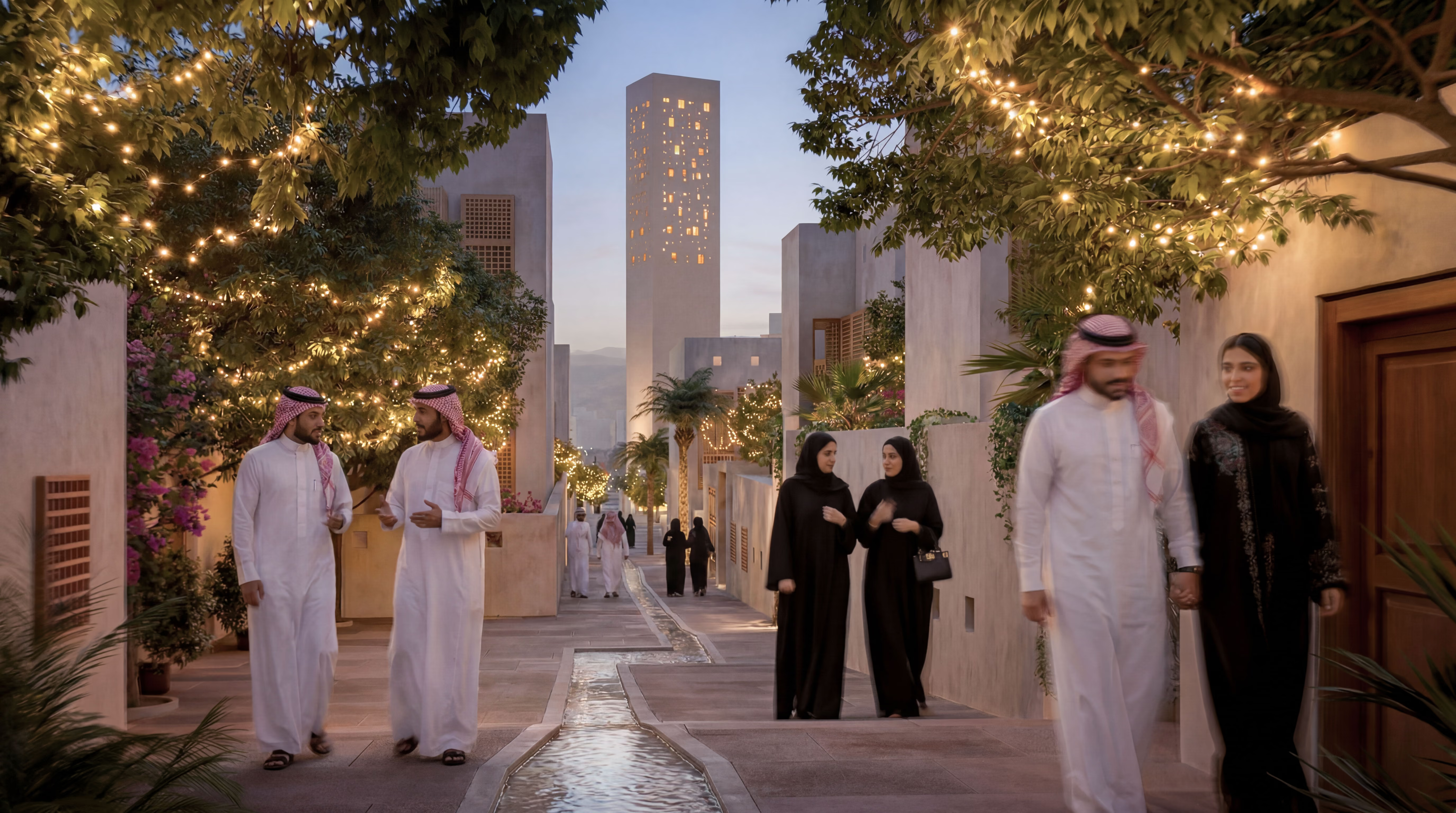
We never fully understand how our work might influence the lives of strangers over time.
“We’re not designing only for architecture itself, but for the stories created around it.”
I think architects have a responsibility to design not only for the client, but also for the “un-client” — the wider community of people who will eventually experience and interact with a place. Designing with that in mind almost always leads to richer and more meaningful outcomes.
7. What shifts do you think will define architecture over the next decade?
AI will undoubtedly have a profound influence on the way we work, and we’re already beginning to see that happening.
One of the most interesting aspects is how quickly these tools allow us to interrogate sketch ideas to a relatively detailed level early on. I feel we’re starting to distil richer solutions from a wider palette of options as a result.
What interests me most, though, is that architecture always ultimately comes back to people. We’re not designing for architecture itself, but for the stories it influences.
As technology increasingly automates our workflows, our broader interests, perspectives and curiosity will become even more important. The question is how we bring our unique views and values to projects, ensuring that technology supports our work rather than defining it.
8. What advice would you give to someone starting in architecture today?
Look for Joy in what you do. Always! In many ways I feel design is about the process not the product and ironically divorcing yourself from the goal can often lead to the best outcomes!
“Over time, you learn to distance yourself slightly from the work and focus on where you genuinely add value. Yes, you need to learn the analytical side of architecture, but once you do, remember to enjoy it too.”
