July 2, 2025
Kettle Collective Ranks #39 in the AJ100 2025!
17th September
2026
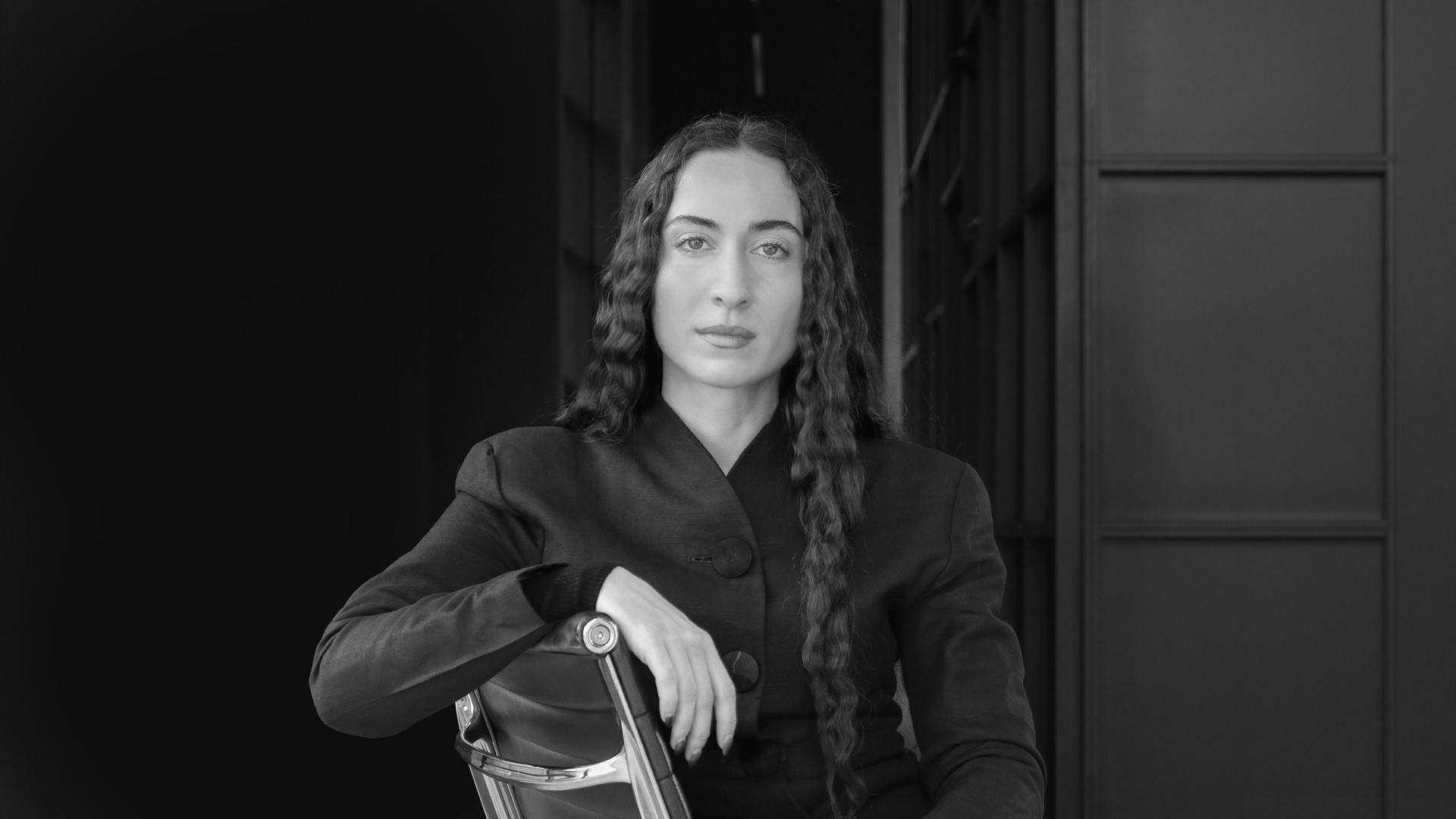
Can you tell us about your career journey before joining Kettle Collective?
My career has taken me from Istanbul to London, where I studied at the Architectural Association's Design Research Laboratory and developed a strong interest in computational and parametric design.
I then spent nearly five years at Zaha Hadid Architects, working across cultural, residential, high-rise and masterplanning projects. During that time, my role evolved from concept and façade design into technical development and project coordination, giving me a much broader understanding of how architectural ideas can be carried through to delivery without losing the original design intent.
As Design Director, what are you most focused on?
What matters most to me is staying genuinely curious and ambitious about the work itself. My aim as Design Director is to work alongside Tony Kettle and the wider design team to strengthen a shared design language across Kettle Collective, bringing different perspectives together while developing a clear and recognisable approach to our work.
As the practice continues to grow internationally, there's a real opportunity to bring those different perspectives together across our studios and develop a design approach that is distinctly Kettle Collective.
You've been working on one of Saudi Arabia's largest and most ambitious developments. What makes the project such an interesting design challenge?
I’m currently working with my team across multiple projects within the same masterplan, with each function bringing its own design challenges. One of the projects I’m most immersed in requires an unusually high level of coordination items, with several high-stakes requirements to resolve. On a project of this profile, that makes the process genuinely complex, but also rewarding to work through. It's a complexity that only really comes into focus once you visit the site and see the wider masterplan in context.
That’s what makes working at Kettle Collective so interesting: every project brings a different set of challenges, and the reward is in resolving them without losing the clarity of the design.
How do you work with clients to develop the best design solution?
It starts with understanding how decisions are made and where the brief offers genuine flexibility. Before thinking about solutions, it's important to understand what's really driving the client's ambitions and constraints.
A brief should never be treated as a checklist. Clients often describe the outcome they want without fully understanding what sits behind it.
I think the most valuable design conversations happen when both sides are prepared to keep questioning what the project needs, rather than simply managing expectations.
What advice would you give architects looking to progress in their careers?
I'd encourage people to stay curious, and that applies to the tools as much as the thinking. Some of the most valuable design thinking happens during the early, ambiguous stages of a project, so ask questions and don't be afraid to contribute your perspective. The same goes for parametric tools, software and AI, they're moving fast and staying ahead of that curve rather than catching up to it later is quickly becoming one of the most valuable skills a young architect can have.
Don't focus only on the most visible or design-led tasks. Taking ownership of documentation, coordination and the less glamorous responsibilities gives you a much deeper understanding of how projects are delivered.
Leadership begins when you take action, not when you receive a title. That applies at every stage of your career, people often wait for their contribution to be recognised, but progression usually comes from identifying problems, proposing solutions and showing you're ready for greater responsibility.